Days, Hours, Minutes & Seconds Calculator
Major scheduling errors almost always originate from treating all time as identical.
Major scheduling errors almost always originate from treating all time as identical.
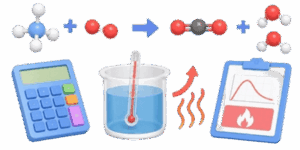
Every chemical reaction involves an exchange of energy. When substances interact to
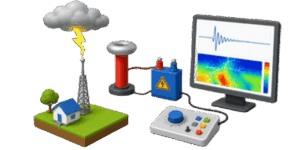
Lightning is the visible part of a storm’s electrical discharge. It happens

Aluminum is one of the most useful metals in everyday work. It

Precious metals get talked about in terms of value, but weight matters

Soil and sand look simple until the numbers start to matter. A

Oils and varnishes may look simple on the surface, but their density

Solid materials may look simple from the outside, but their weight can

Mechanical design relies on precision and visual clarity. This interactive 3D Planetary

The layout is designed for fast reading. The result table gives the

This calculator is a fast reference tool for people who need density
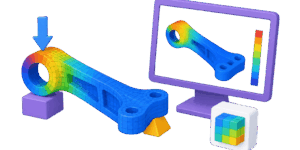
Building something reliable starts with understanding how materials behave under pressure. Whether

The mineral and rock density calculator is built for fast lookup, simple
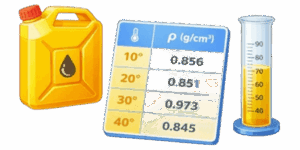
Diesel fuel is the backbone of the global economy. It powers trucks,
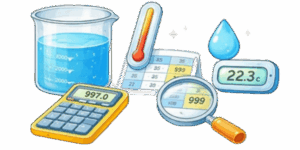
Water looks simple on the surface, but its density changes with temperature

Solubility is the silent engine behind a thousand daily processes. From the
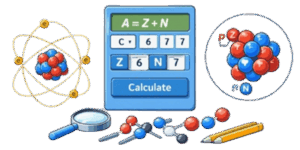
Atoms sit behind everything made of matter, but they are usually invisible

Meet heats_calc, a stripped down energy calculator that turns mass, specific heat,
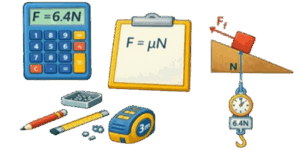
This interactive friction force calculator helps you quickly estimate normal force, static
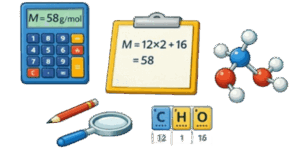
Need the molar mass fast and without drama? This molar mass calculator

Calculators for solving a wide range of physics problems and experiments. They cover areas such as mechanics, thermodynamics, optics, electricity, and modern physics, providing quick solutions for equations and laws that describe how the physical world operates. These tools are helpful for students learning the fundamentals, researchers conducting experiments, and engineers applying physics principles in design and analysis. Physics calculators can be used to compute forces, energy, motion, wave behavior, or electrical interactions, making them versatile aids for both academic study and practical applications in technology and industry.
Users can perform calculations in areas such as:
These calculators provide accurate, interactive, and easy-to-use tools for students, educators, engineers, and enthusiasts exploring physical phenomena.